
About Mallorca
Mallorca combines Mediterranean beaches with historic towns, mountain landscapes and a surprisingly varied interior. Palma offers a cathedral, old streets and strong transport links, while the UNESCO-listed Serra de Tramuntana runs along the northwest coast through stone villages and dramatic viewpoints. Elsewhere, coves, plains and market towns create very different bases for a trip. Beach resorts are busiest in summer, while spring and autumn suit hiking, cycling and road trips. Public transport works well on several major routes, but a car gives more flexibility for smaller villages and remote coves. Always respect parking rules and seasonal access restrictions at popular natural sites.
Cities(8)
Can Pastilla
Can Pastilla: live weather, climate normals, sea temperature, daylight hours and the best time to visit — plus things to do and practical travel tips.
Magaluf
Magaluf: live weather, climate normals, sea temperature, daylight hours and the best time to visit — plus things to do and practical travel tips.
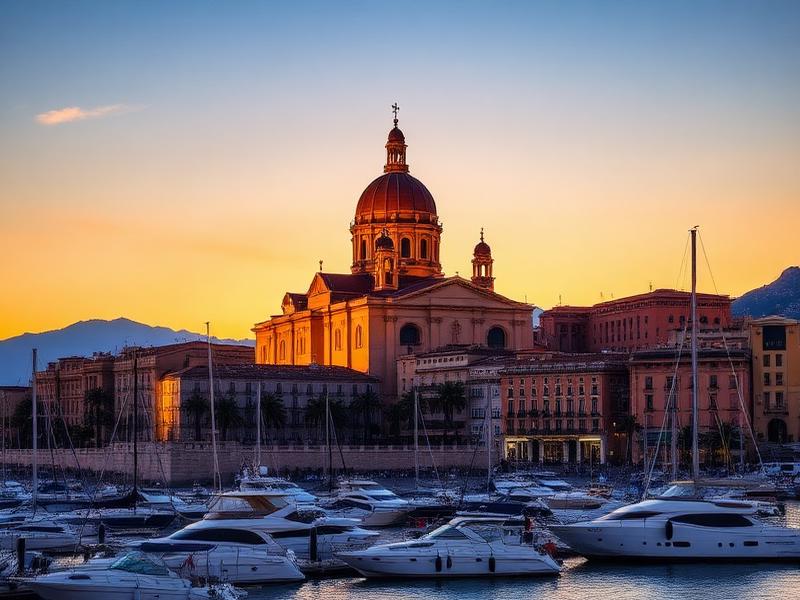
Palma
Mallorca's vibrant capital with Gothic cathedral, charming old town, and trendy waterfront.
Peguera
Peguera: live weather, climate normals, sea temperature, daylight hours and the best time to visit — plus things to do and practical travel tips.
Port d'Andratx
Port d'Andratx: live weather, climate normals, sea temperature, daylight hours and the best time to visit — plus things to do and practical travel tips.
Santa Ponsa
Santa Ponsa: live weather, climate normals, sea temperature, daylight hours and the best time to visit — plus things to do and practical travel tips.
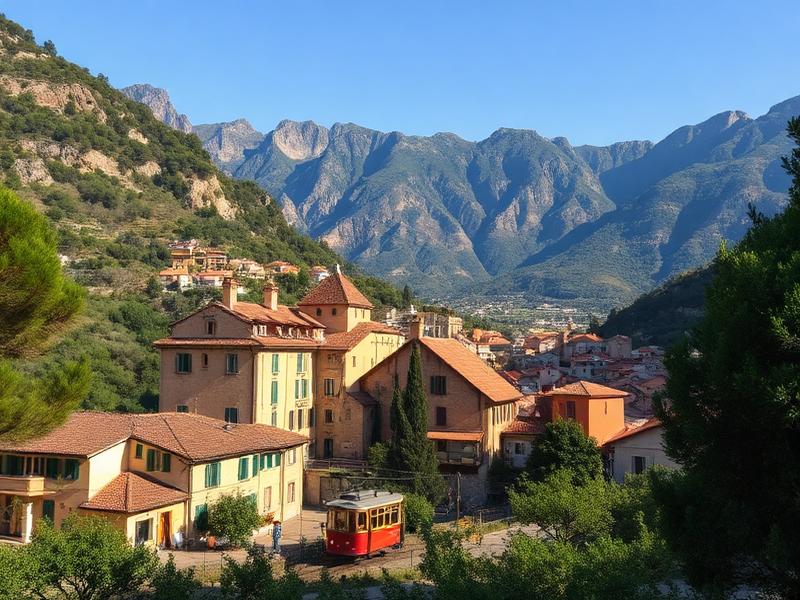
Sóller
Charming mountain town with vintage tram and orange groves
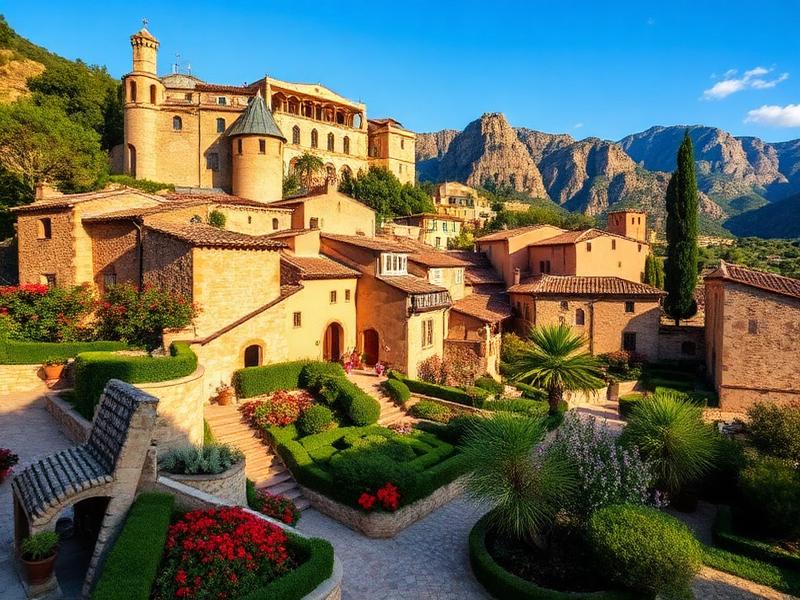
Valldemossa
Historic hillside village where Chopin composed, stunning monastery
Globefellas Partner links
Daylight, UV and air quality in Mallorca
Live conditions, updated continuously — sun times calculated for this exact location.
Daylight
10h 24m
Day length
- Sunrise
- 06:20
- Sunset
- 16:44
- Golden hour
- 16:06
- Blue hour
- 17:12
2 min less daylight than yesterday
UV indexLive
Air qualityLive
Sources: Open-Meteo and our own solar calculations
Best Time to Visit
The best time to visit Mallorca is from May to June and September to October. Spring brings wildflowers and almond blossoms, while autumn offers warm seas and harvest festivals. Summer is perfect for beaches but crowded, winter is mild and ideal for hiking the Serra de Tramuntana.
MayJuneSeptemberOctober
Climate Overview
Climate Type: Mediterranean
Mallorca has a Mediterranean climate with over 300 days of sunshine annually. Summers are hot and dry with temperatures reaching 30-35°C, while winters are mild at 10-15°C. The Serra de Tramuntana mountains create microclimates with cooler temperatures and more rainfall.
Monthly Weather Overview
| Month | High °CMax | Low °CMin | Rain mmmm |
|---|---|---|---|
January | 15° | 7° | 40 |
February | 15° | 7° | 35 |
March | 17° | 8° | 30 |
April | 19° | 10° | 35 |
May | 23° | 14° | 25 |
June | 28° | 18° | 10 |
July | 31° | 21° | 5 |
August | 32° | 22° | 20 |
September | 28° | 19° | 50 |
October | 23° | 15° | 70 |
November | 18° | 11° | 55 |
December | 15° | 8° | 50 |
Globefellas Partner links
Where to stay in Mallorca
An interactive map of hotels and apartments in Mallorca, from our partner Stay22.
Weather in Mallorca
Globefellas Partner links
Things to do in Mallorca
Tours and activities in Mallorca, from our partner GetYourGuide.
Local partners
Travel businesses that pay to be visible here.
Paid partner placements. GlobeFellas is compensated by these businesses. It never affects our rankings, ratings or climate data.
Related Destinations
Peguera
Peguera: live weather, climate normals, sea temperature, daylight hours and the best time to visit — plus things to do and practical travel tips.
Port d'Andratx
Port d'Andratx: live weather, climate normals, sea temperature, daylight hours and the best time to visit — plus things to do and practical travel tips.
Magaluf
Magaluf: live weather, climate normals, sea temperature, daylight hours and the best time to visit — plus things to do and practical travel tips.
Santa Ponsa
Santa Ponsa: live weather, climate normals, sea temperature, daylight hours and the best time to visit — plus things to do and practical travel tips.
Can Pastilla
Can Pastilla: live weather, climate normals, sea temperature, daylight hours and the best time to visit — plus things to do and practical travel tips.
cityValldemossa
Historic hillside village where Chopin composed, stunning monastery