
About Canary Islands
Volcanic archipelago with eternal spring weather and diverse landscapes
Islands(7)
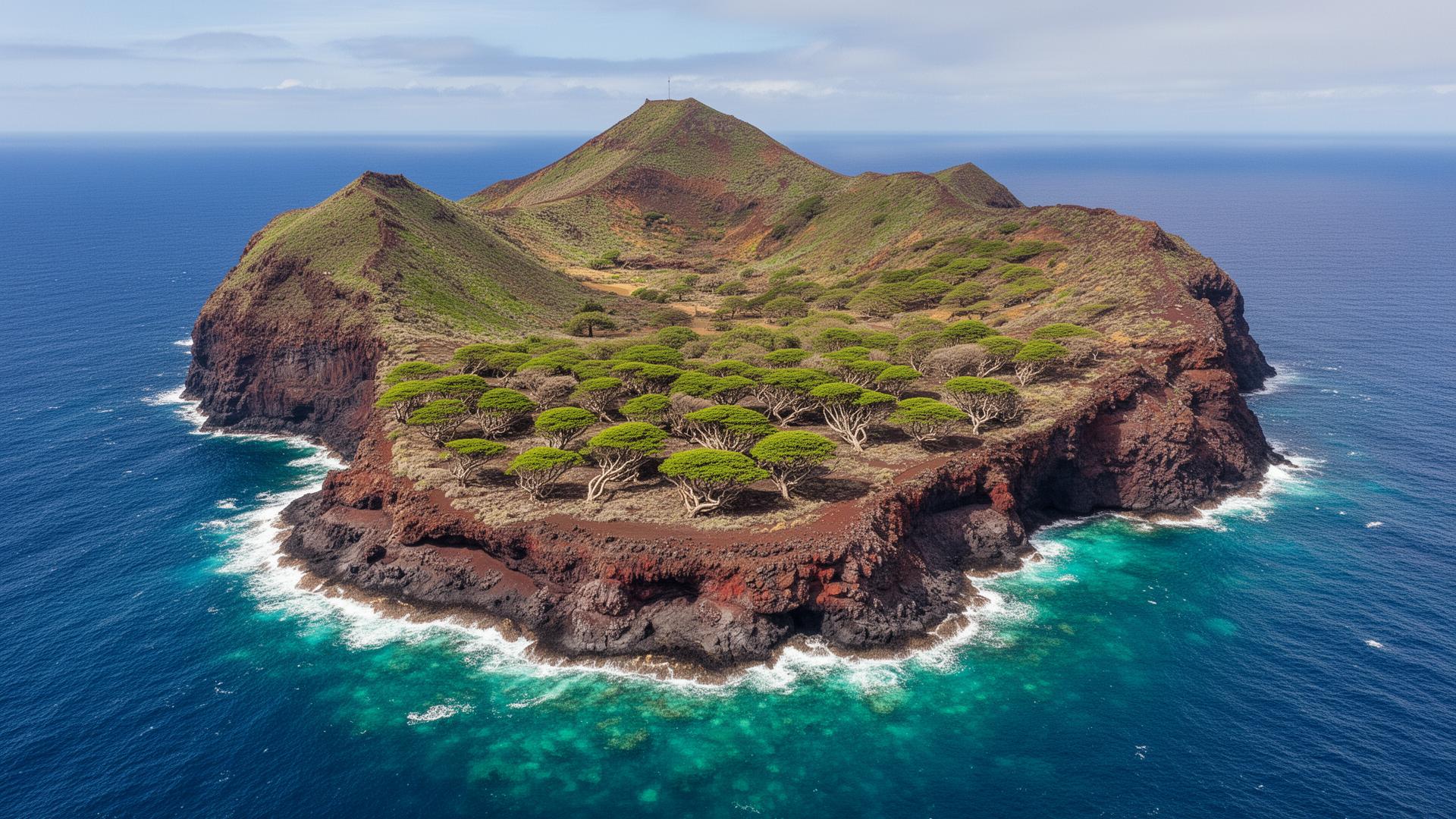
El Hierro
The smallest and westernmost Canary Island, a UNESCO Biosphere Reserve powered entirely by renewable energy with exceptional diving.
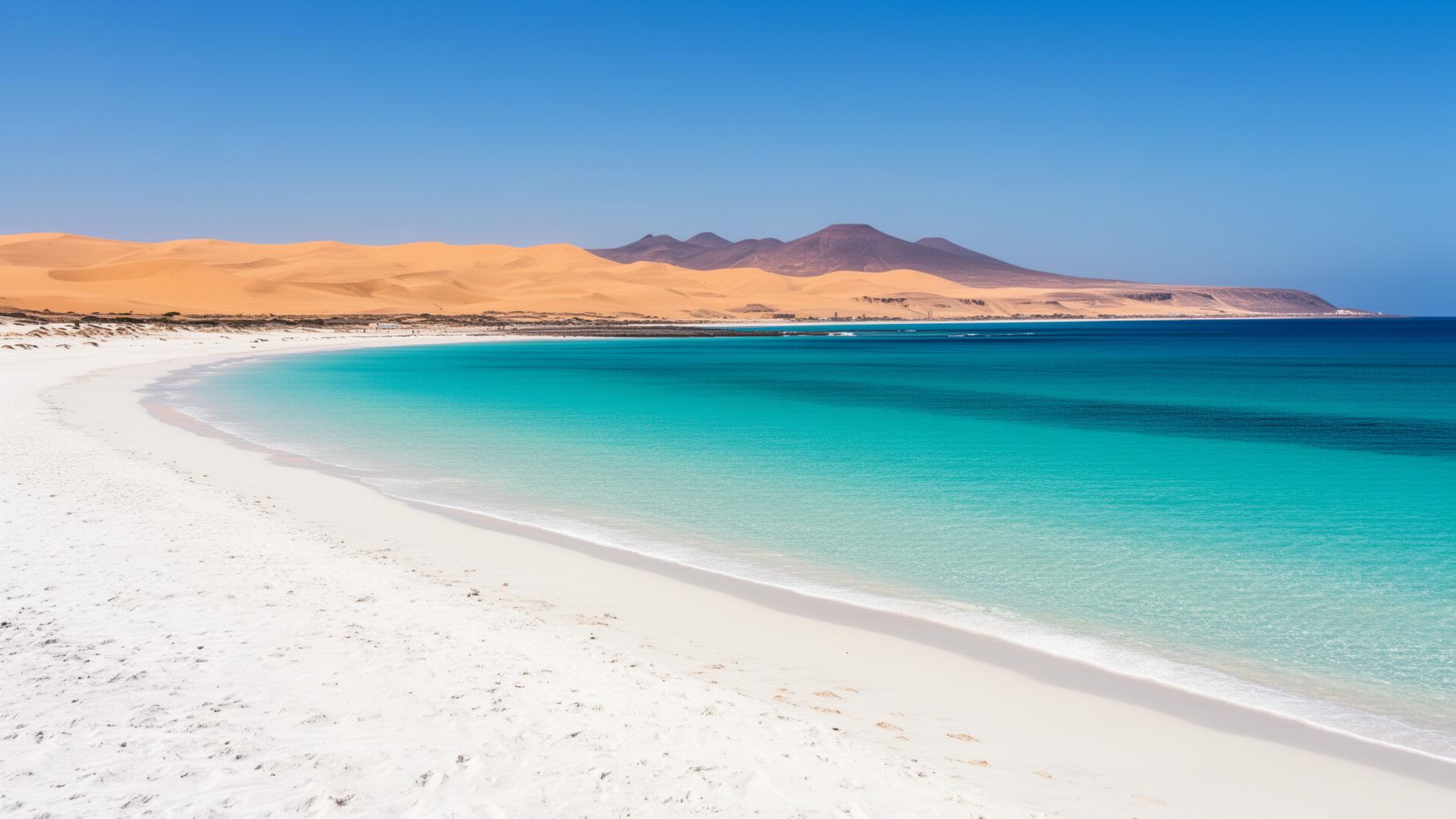
Fuerteventura
The oldest Canary Island with endless golden beaches and world-class windsurfing
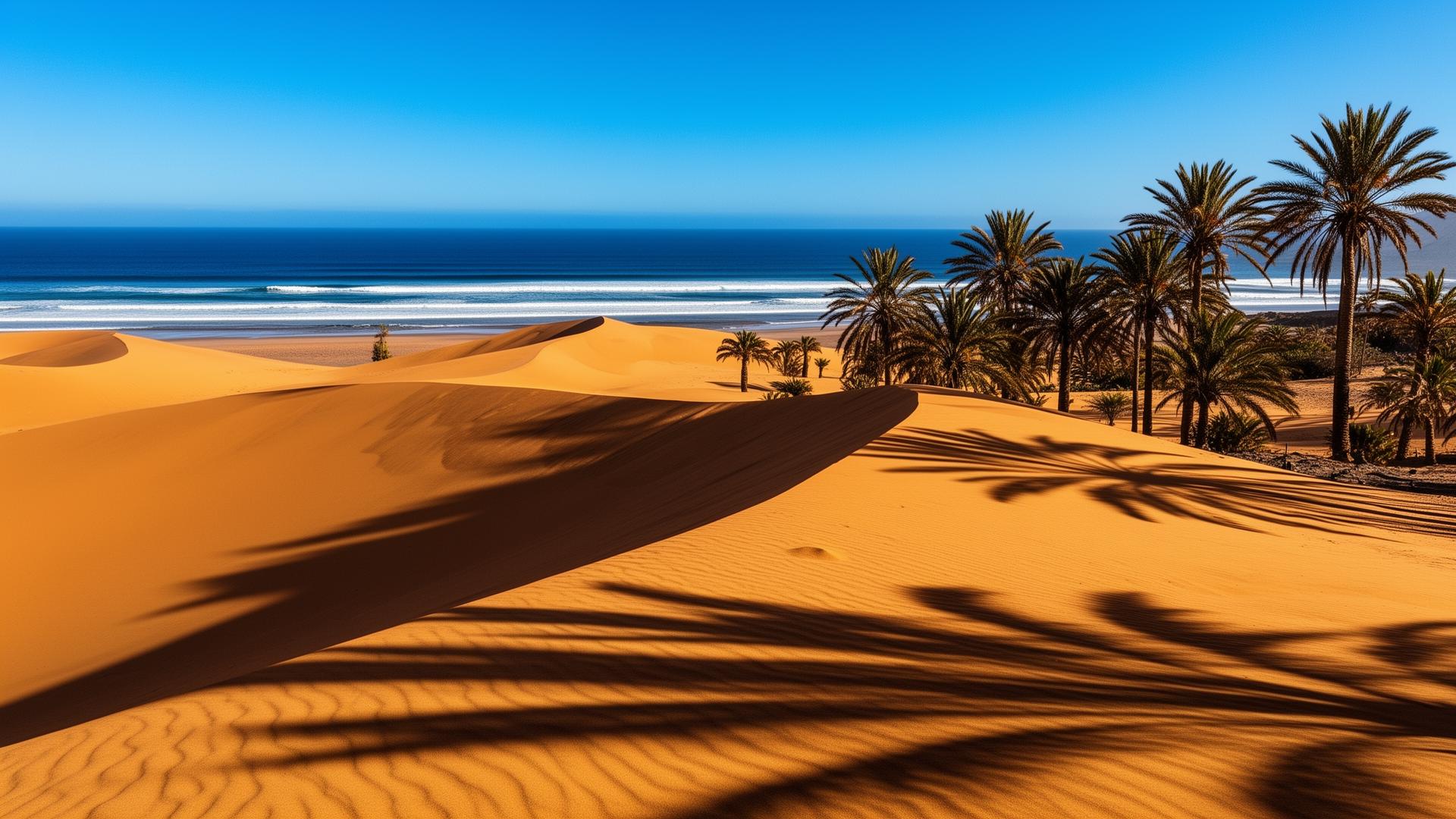
Gran Canaria
A miniature continent with stunning dunes, mountains, and vibrant nightlife
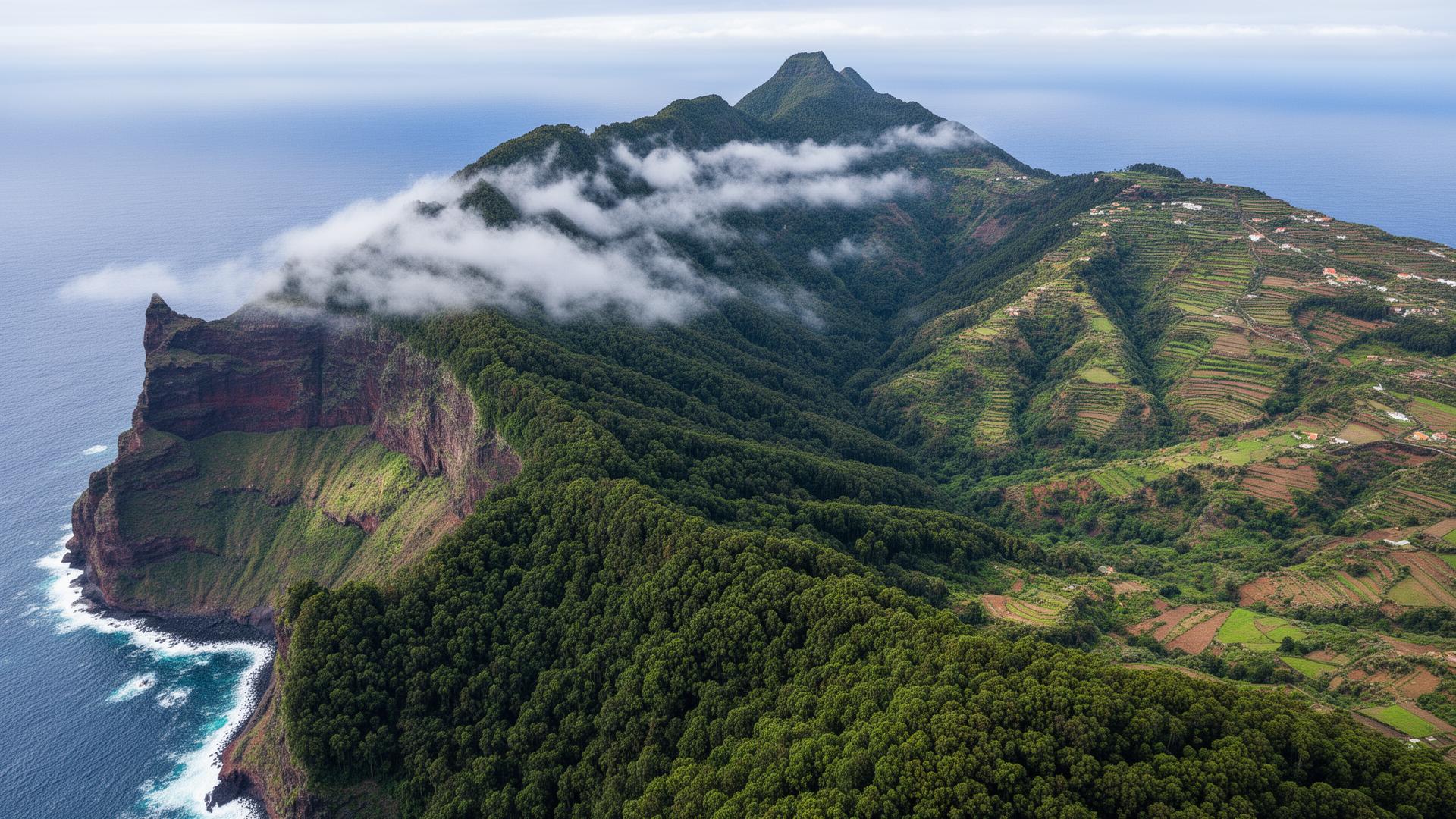
La Gomera
Home to the ancient Garajonay laurel forest, a UNESCO World Heritage Site, and the unique whistled language Silbo Gomero.
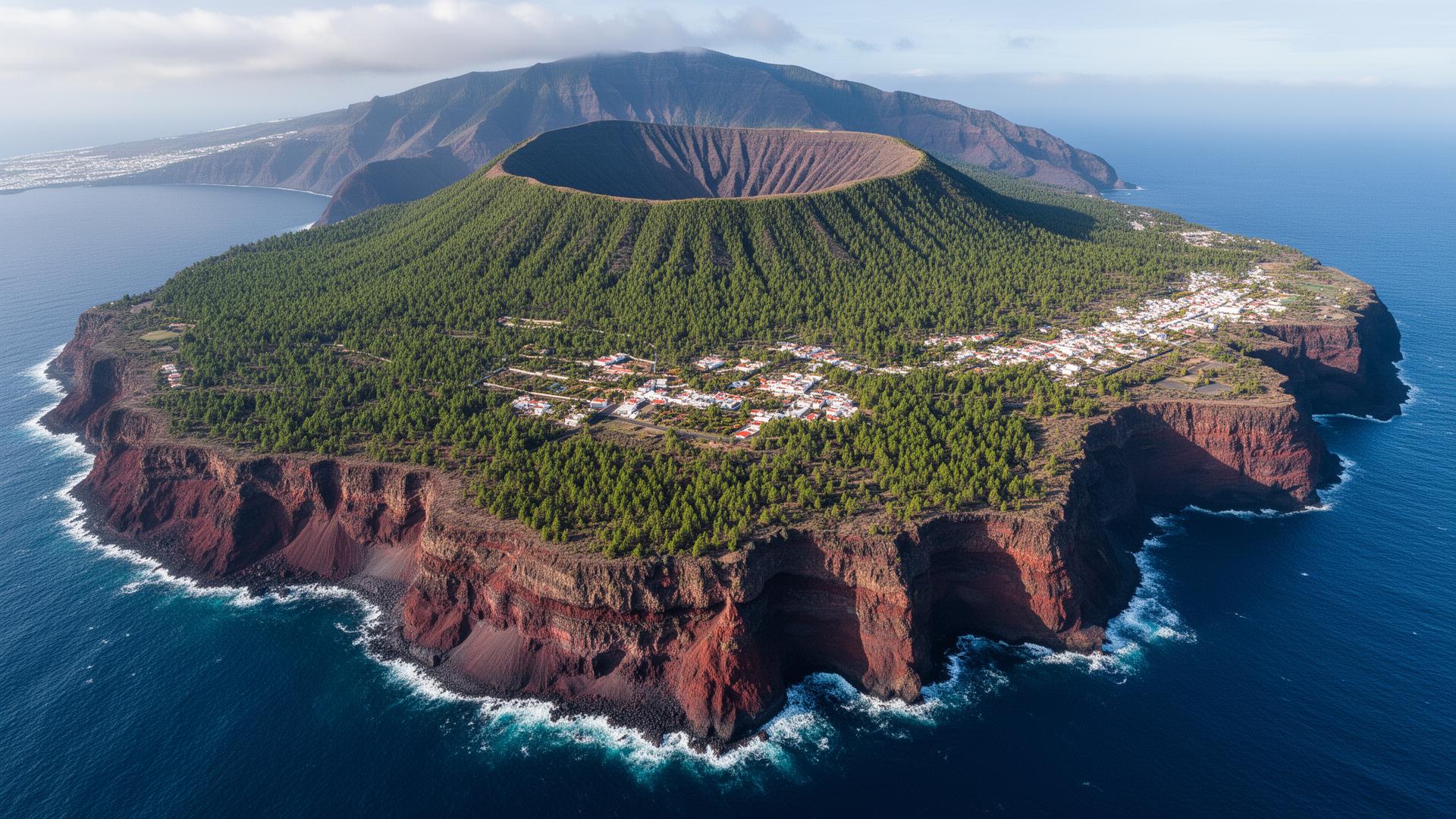
La Palma
Known as La Isla Bonita, featuring lush forests, volcanic landscapes, and world-class stargazing at Roque de los Muchachos Observatory.
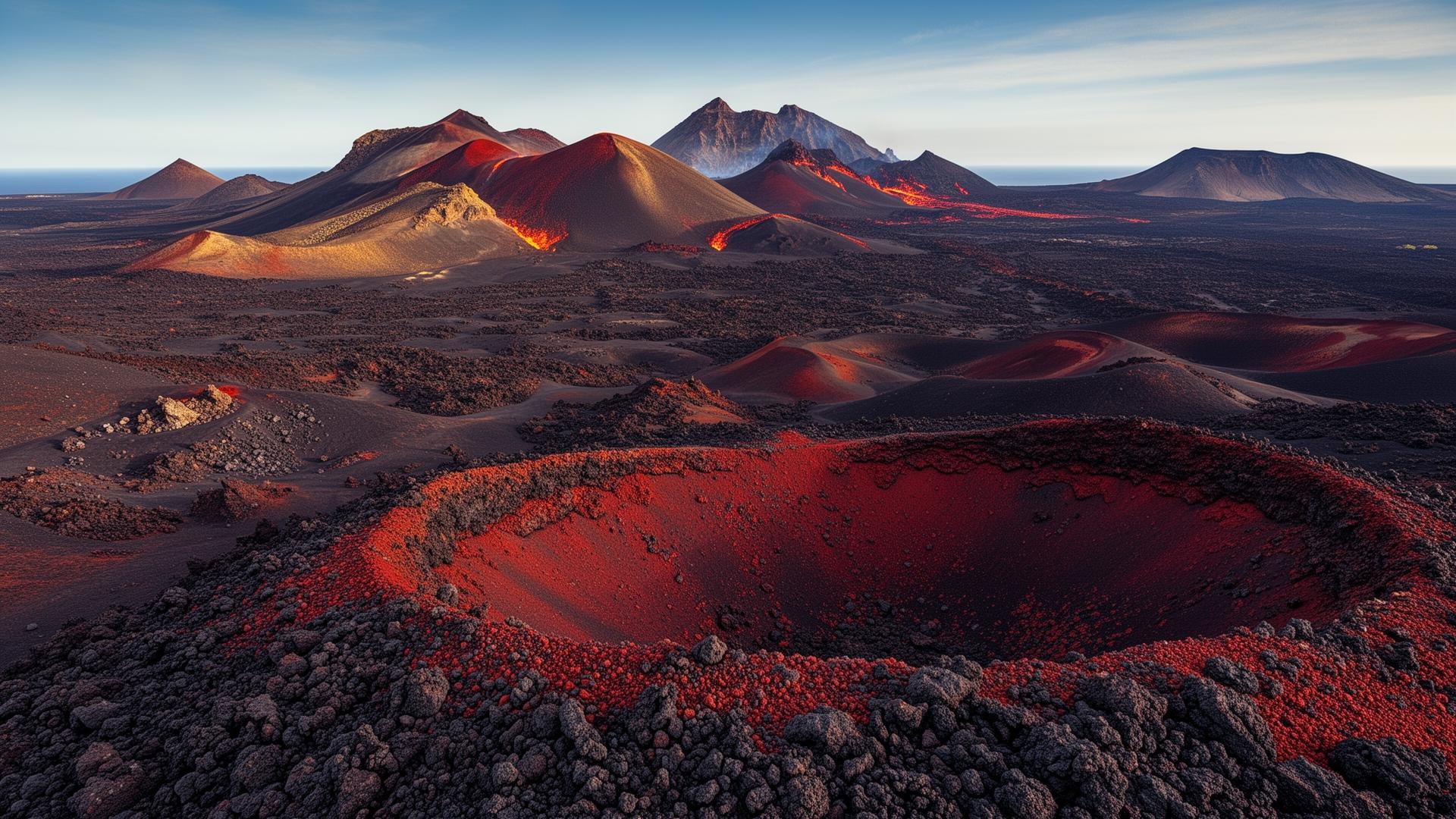
Lanzarote
A volcanic wonderland with lunar landscapes and unique architecture by César Manrique
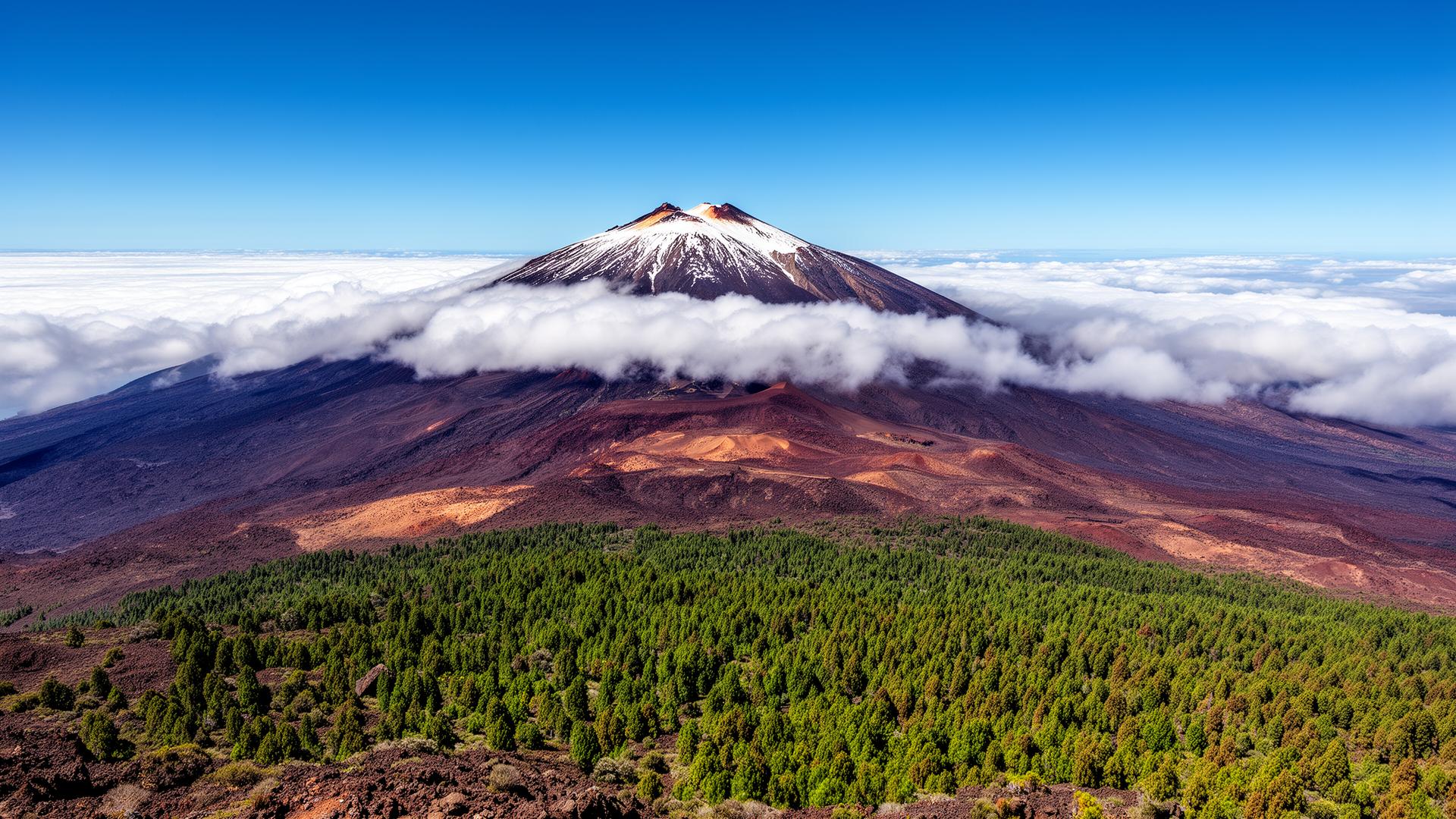
Tenerife
The largest Canary Island with Spain's highest peak and diverse microclimates
Globefellas Partner links
Daylight, UV and air quality in Canary Islands
Live conditions, updated continuously — sun times calculated for this exact location.
Daylight
11h 00m
Day length
- Sunrise
- 06:16
- Sunset
- 17:16
- Golden hour
- 16:44
- Blue hour
- 17:41
1 min less daylight than yesterday
UV indexLive
Air qualityLive
Sources: Open-Meteo and our own solar calculations
Climate in Canary Islands month by month
Long-term averages 1991–2020 — what the weather is normally like, not a forecast.
Best time to go
April – November
Find places to stay in Canary Islands in April
Globefellas Partner links
| Month | Jan | Feb | Mar | Apr | May | Jun | Jul | Aug | Sep | Oct | Nov | Dec |
|---|---|---|---|---|---|---|---|---|---|---|---|---|
| Day | 19° | 19° | 20° | 20° | 21° | 23° | 24° | 25° | 25° | 24° | 22° | 20° |
| Night | 14° | 14° | 15° | 15° | 17° | 18° | 19° | 20° | 20° | 19° | 18° | 16° |
| Precipitation (mm) | 27 | 32 | 24 | 15 | 9 | 3 | 1 | 2 | 12 | 28 | 28 | 35 |
| Rain days (days) | 6 | 5 | 5 | 4 | 2 | 1 | 0 | 1 | 2 | 6 | 6 | 6 |
| Sunshine (h/day) | 9.8 | 10.5 | 11.4 | 11.9 | 12.7 | 13.4 | 12.9 | 12.1 | 11.6 | 10.7 | 9.8 | 9.6 |
| Colour shows how well the month suits a trip |
Source: Open-Meteo ERA5 reanalysis, 1991–2020
Chance of rain in Canary Islands month by month
How often it normally rains — share of days with at least 1 mm, averaged over 1991–2020.
Driest period
May – September
Driest month
July · 1%
Wettest month
November · 21%
Chance of rain
| Month | Jan | Feb | Mar | Apr | May | Jun | Jul | Aug | Sep | Oct | Nov | Dec |
|---|---|---|---|---|---|---|---|---|---|---|---|---|
| Rain probability | 18% | 18% | 17% | 14% | 7% | 4% | 1% | 2% | 8% | 18% | 21% | 20% |
Rain days per month
| Month | Jan | Feb | Mar | Apr | May | Jun | Jul | Aug | Sep | Oct | Nov | Dec |
|---|---|---|---|---|---|---|---|---|---|---|---|---|
| Rain days (days) | 6 | 5 | 5 | 4 | 2 | 1 | 0 | 1 | 2 | 6 | 6 | 6 |
Source: Open-Meteo ERA5 reanalysis, 1991–2020
Best Time to Visit
The best time to visit the Canary Islands is from March to May and September to November. These months offer pleasant temperatures (21-26°C), fewer crowds, and ideal conditions for hiking and beach activities. Summer (June-August) is busiest with warmer weather, while winter (December-February) remains mild and perfect for escaping colder climates.
MarchAprilMaySeptemberOctoberNovember
Climate Overview
Climate Type: Subtropical oceanic
The Canary Islands enjoy a subtropical oceanic climate with eternal spring-like conditions. Temperatures remain pleasant year-round (18-28°C), with trade winds moderating the heat. The islands experience minimal rainfall, especially on the eastern islands. Each island has its own microclimate, with northern slopes being greener and southern coasts sunnier.
Monthly Weather Overview
| Month | High °CMax | Low °CMin | Rain mmmm |
|---|---|---|---|
January | 21° | 15° | 25 |
February | 21° | 15° | 20 |
March | 22° | 16° | 15 |
April | 23° | 17° | 10 |
May | 24° | 18° | 5 |
June | 26° | 20° | 2 |
July | 28° | 22° | 0 |
August | 29° | 23° | 0 |
September | 28° | 22° | 10 |
October | 26° | 20° | 20 |
November | 24° | 18° | 30 |
December | 22° | 16° | 30 |
Globefellas Partner links
Where to stay in Canary Islands
An interactive map of hotels and apartments in Canary Islands, from our partner Stay22.
Weather in Canary Islands
Globefellas Partner links
Things to do in Canary Islands
Tours and activities in Canary Islands, from our partner GetYourGuide.
Local partners
Travel businesses that pay to be visible here.
Paid partner placements. GlobeFellas is compensated by these businesses. It never affects our rankings, ratings or climate data.
Related Destinations
El Hierro
The smallest and westernmost Canary Island, a UNESCO Biosphere Reserve powered entirely by renewable energy with exceptional diving.
La Gomera
Home to the ancient Garajonay laurel forest, a UNESCO World Heritage Site, and the unique whistled language Silbo Gomero.
La Palma
Known as La Isla Bonita, featuring lush forests, volcanic landscapes, and world-class stargazing at Roque de los Muchachos Observatory.
Tenerife
The largest Canary Island with Spain's highest peak and diverse microclimates
Gran Canaria
A miniature continent with stunning dunes, mountains, and vibrant nightlife
Lanzarote
A volcanic wonderland with lunar landscapes and unique architecture by César Manrique